
Built in the open.
HAPT Golf is run by engineers, not a marketing department, and the development happens in public. This is where the videos, the teardowns and the measurements land.
Including the parts
that did not work.
The measurements
MOI, mass, face angle at separation. The rigs we built to get them, and the readings that turned out to be wrong.
The prototypes
Every head cut on the way to a finished one, including the three we scrapped and what each of them taught us.
The problems
The blade still sounds hollow and we still do not know why. That gets published too, before it is solved.
From the bench.
Videos, posts and bench notes, newest first.
 16:22YouTube
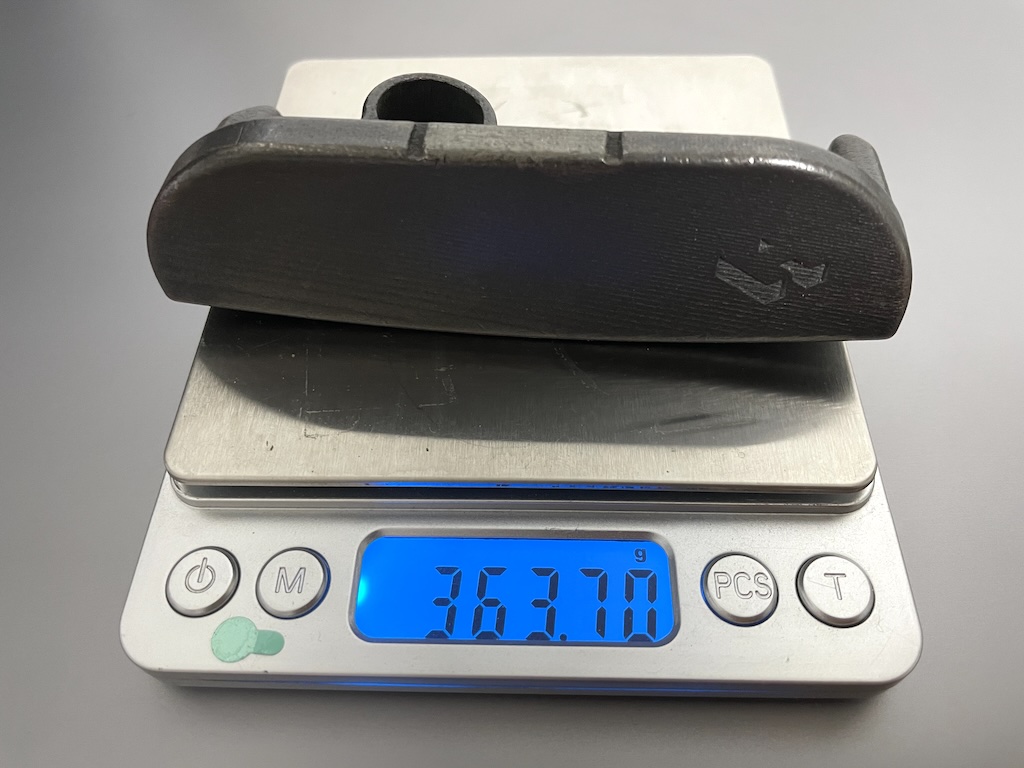
We built a rig to measure MOI, and our first number was wrong
A bifilar pendulum, a phone camera at 240fps, and three days of getting a repeatable figure out of it. The error turned out to be in how we were clamping the head.
 Journal
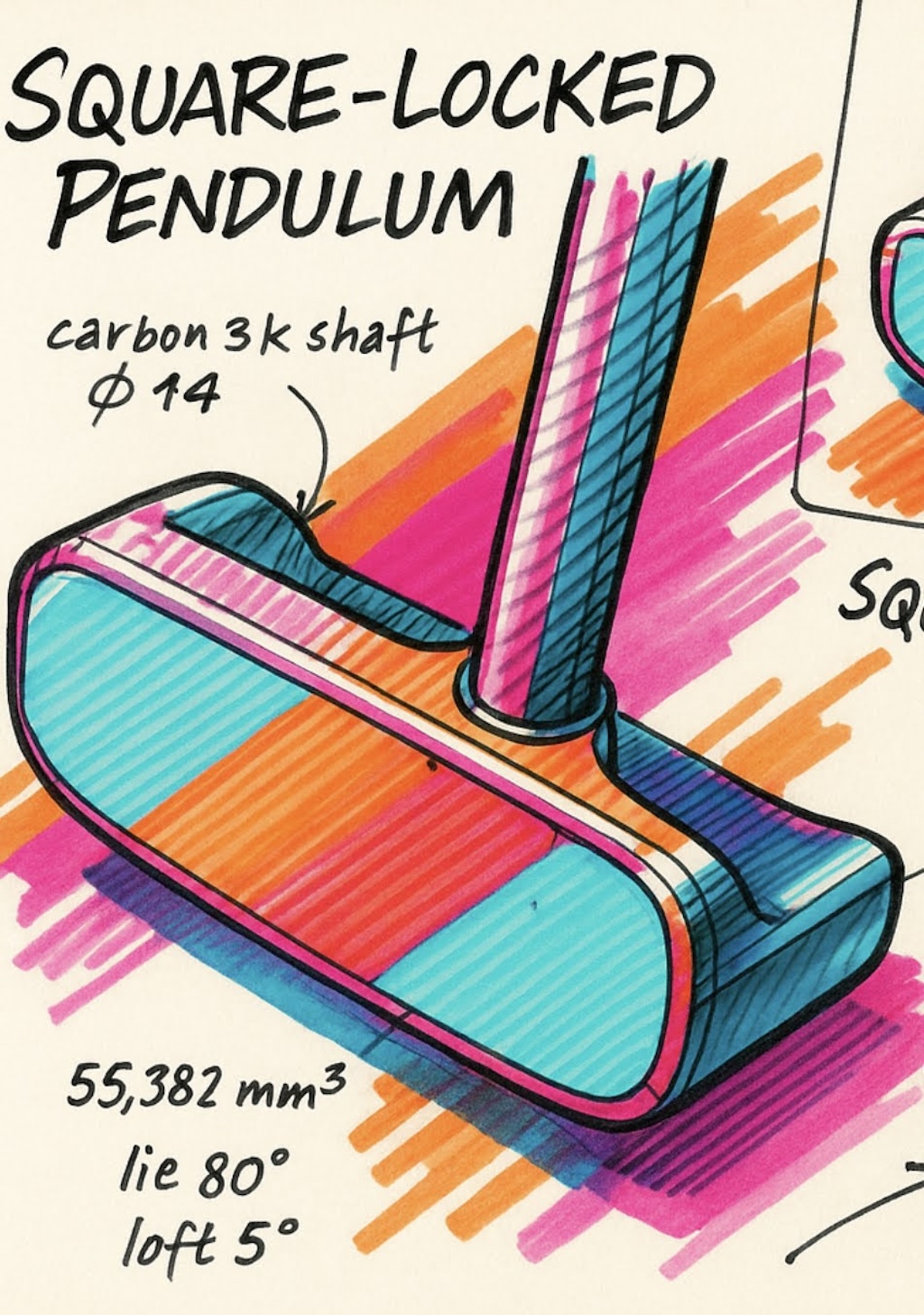
Where the Square-Locked Pendulum came from
The first drawing was a wrapped-forward mass around a hollow centre, sketched to answer one question: how much rotation can we take out before the head becomes unwieldy?
 12:04YouTube
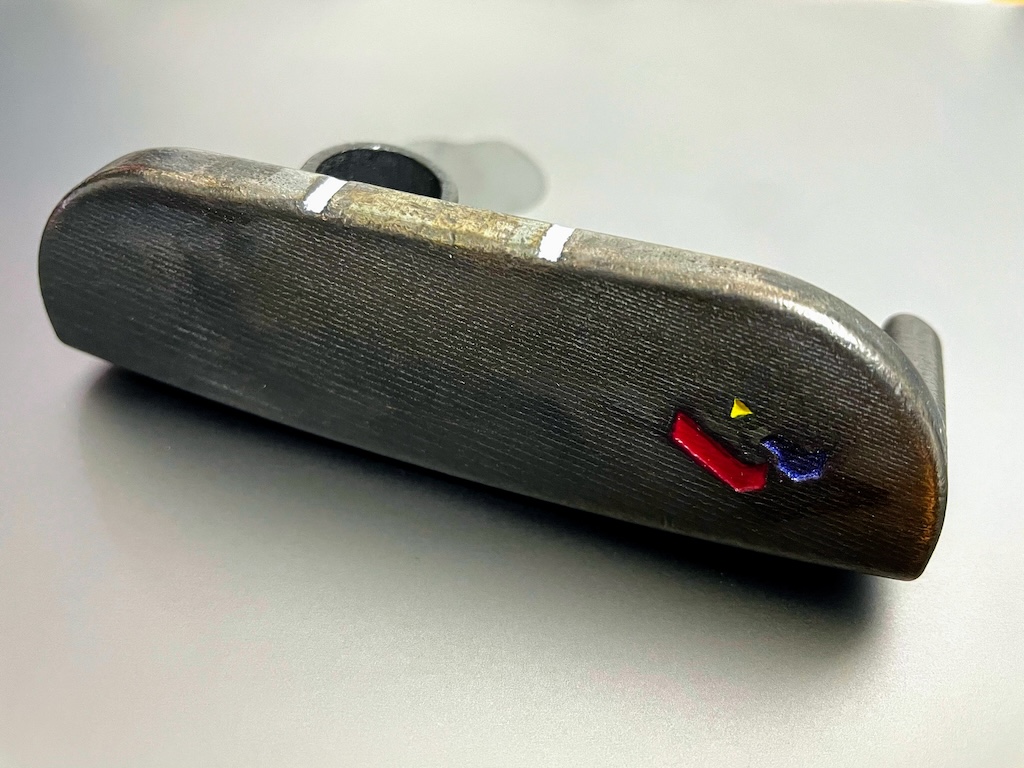
Milling the first head from a solid billet
Four hours of cutting compressed into twelve minutes, including the pass where we took 0.3 mm too much off the sole and started again.
 Instagram
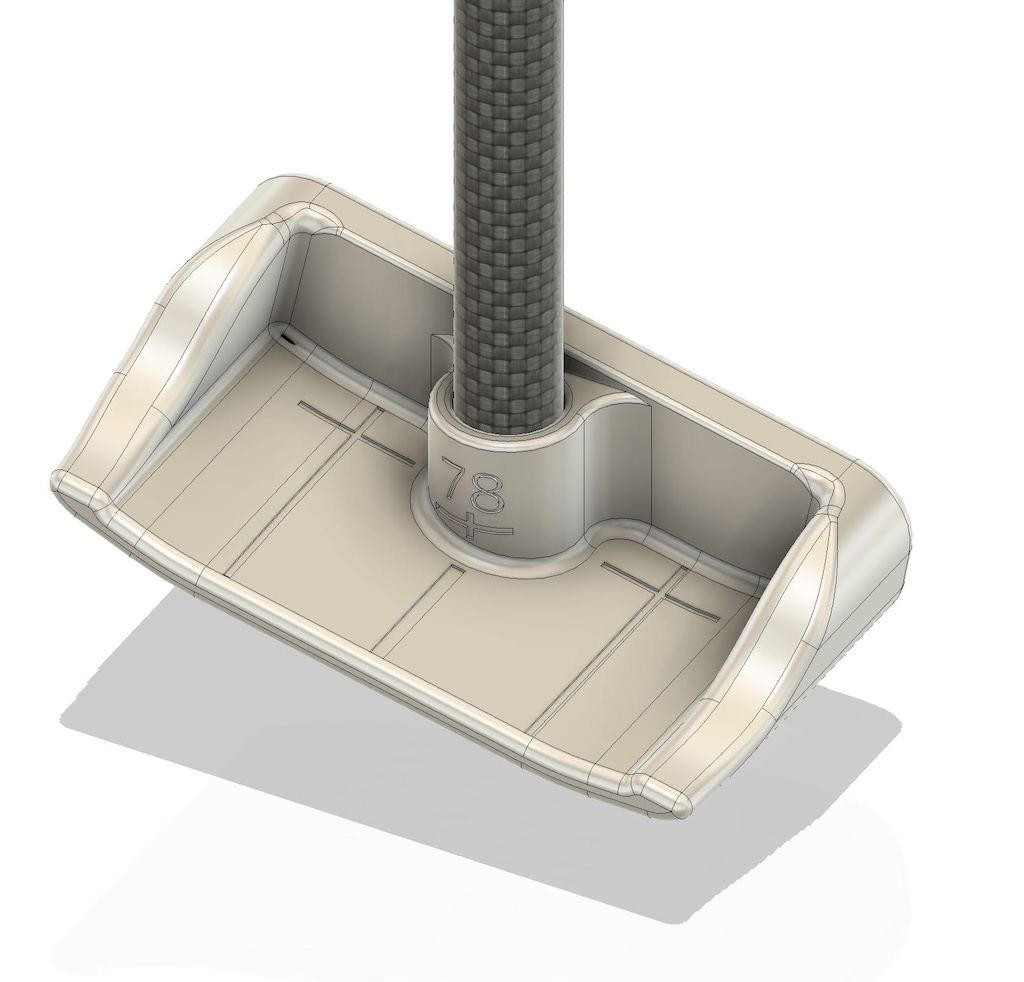
Pull-testing the bonded shaft collar
Eight joints, one hydraulic press, and the number we needed: where the bond gives up relative to where the shaft does.
 Journal
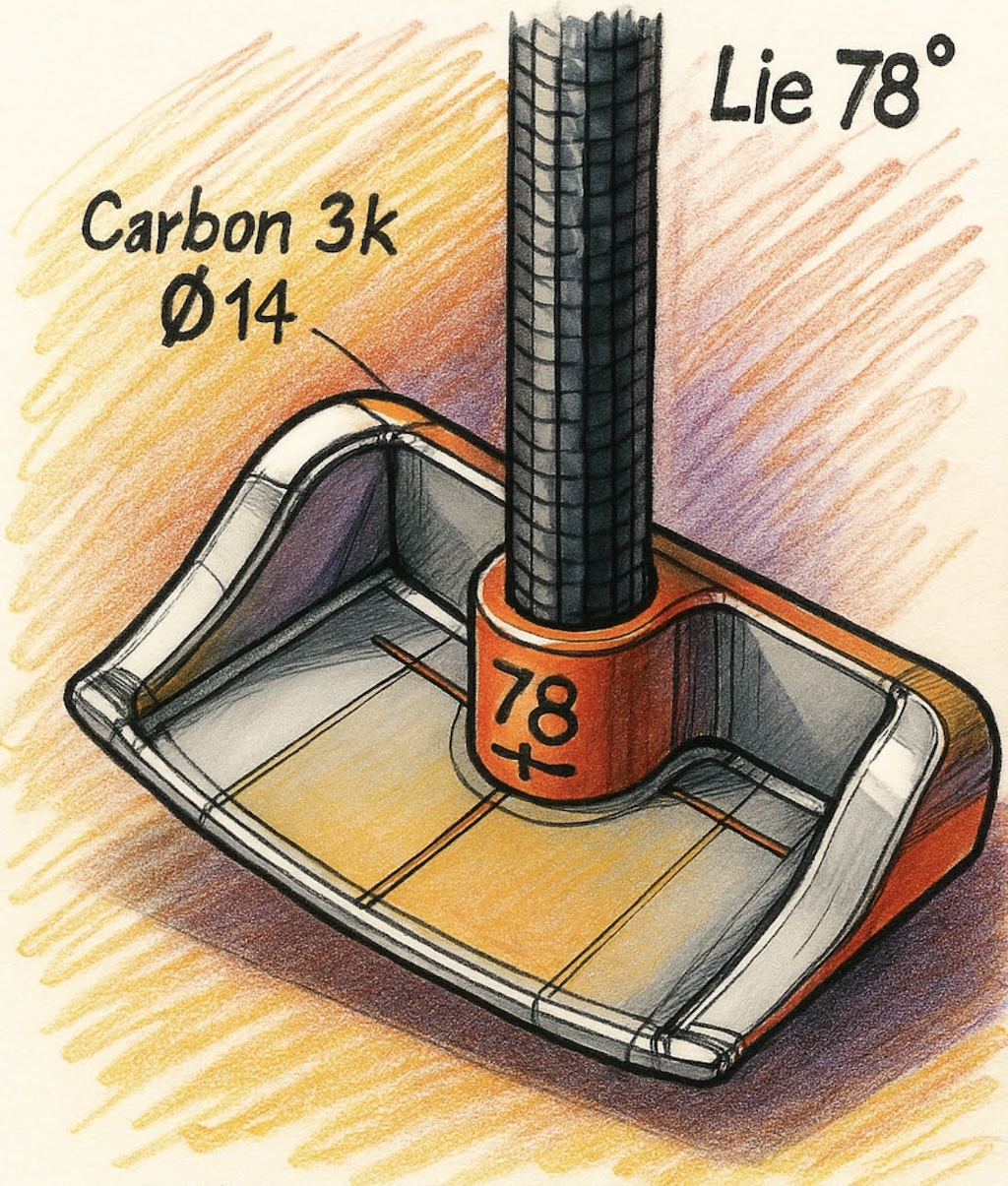
The blade sounds wrong and we do not yet know why
Toe hang is where we wanted it. The strike rings at around 4 kHz and reads as hollow, which no amount of face milling has fixed so far.
 Instagram
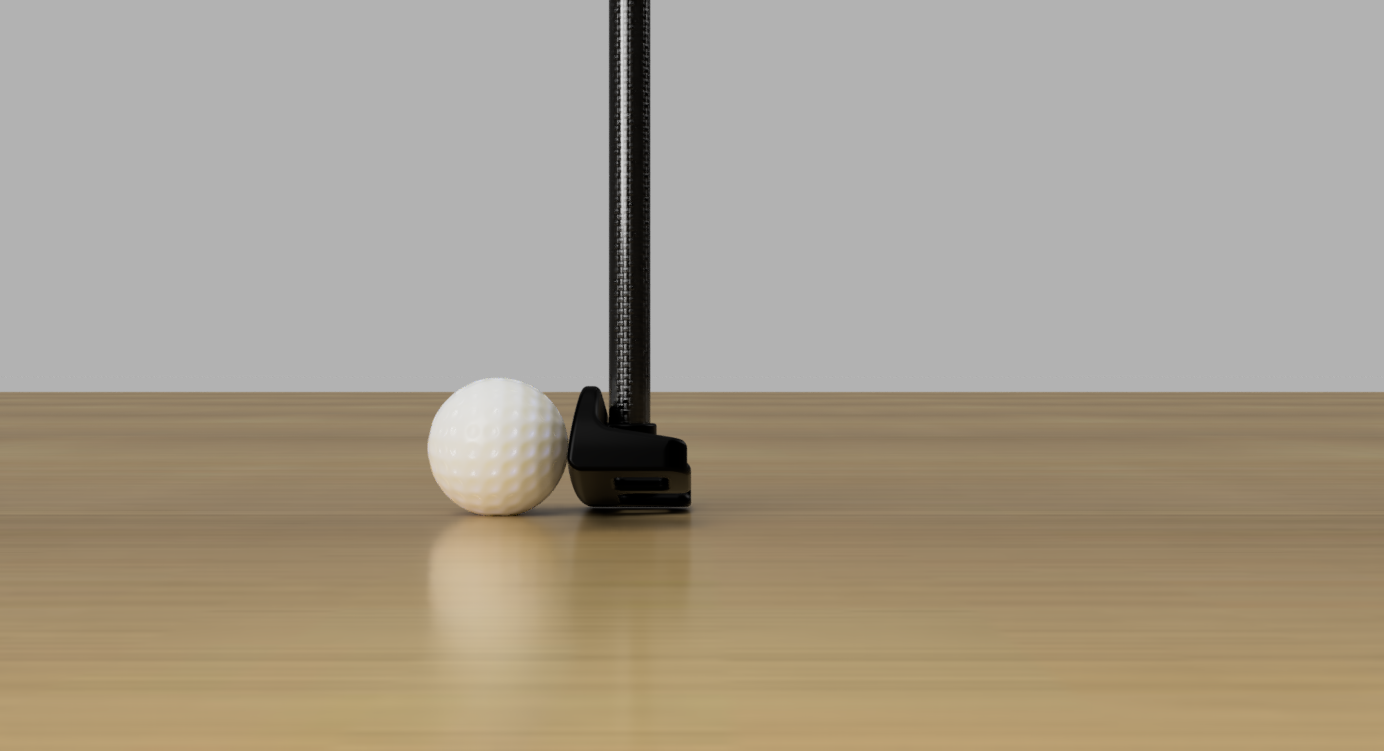
Two hundred putts on an office floor
Hardwood is not a green, but it is repeatable, and repeatable is what tells you whether a change to the face did anything at all.
Nothing gets edited out.
New builds go out on YouTube and Instagram first. The list hears when something is ready to buy.